

CICA vs Niacinamide: Which Ingredient Solves Facial Redness Fast? (2026 Scientific Guide)
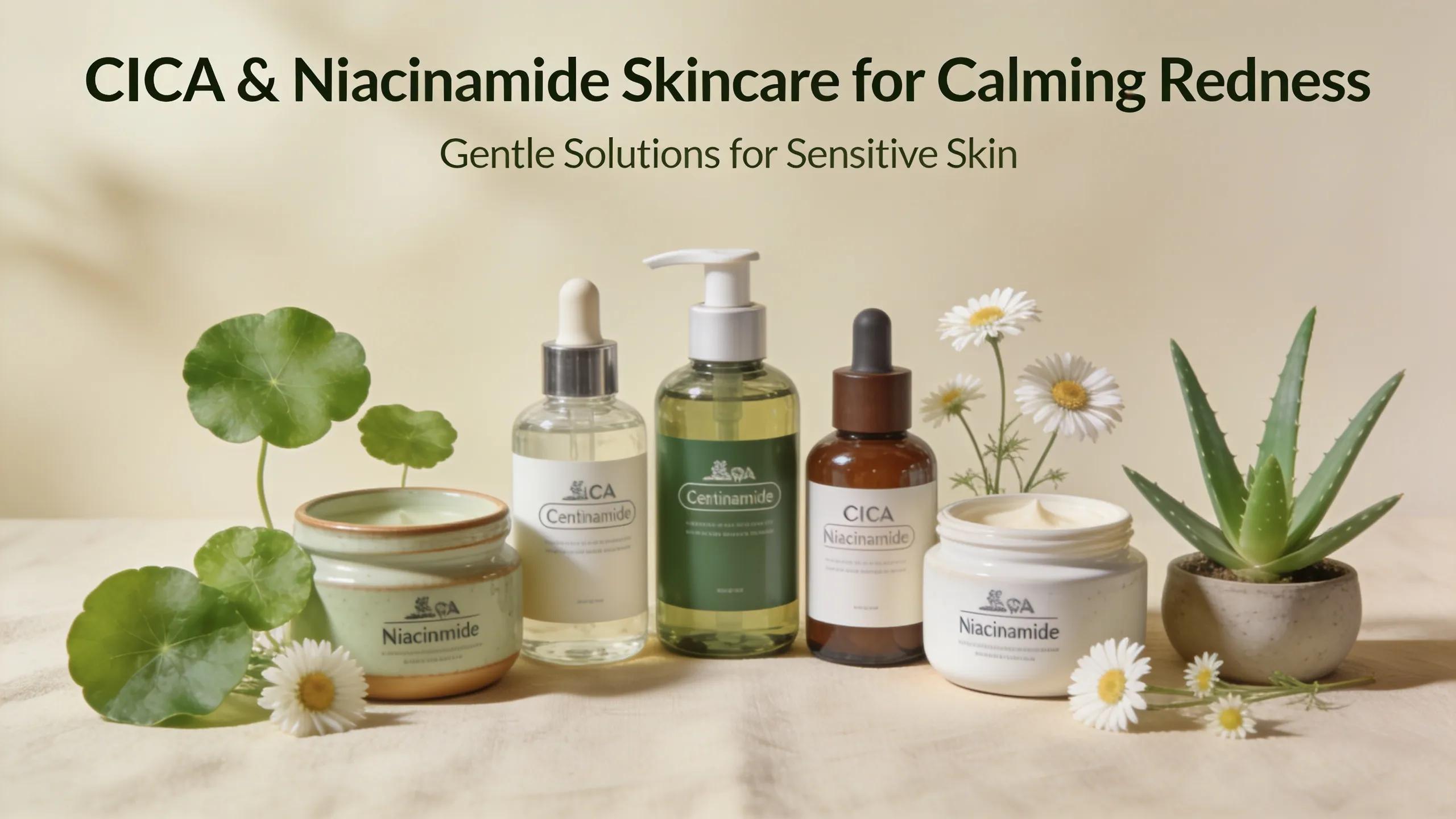
By Dr. Rey Lineras, Aere Beauty
Facial redness is a common concern for many individuals, often linked to sensitive skin conditions like rosacea. Fortunately, recent advancements in skincare have led to the emergence of powerful ingredients like CICA and Niacinamide. This article delves into the science behind these two popular ingredients, exploring their effectiveness in combating facial redness. By understanding their mechanisms, benefits, and potential combinations, readers will be better equipped to choose the right solution for their skin care needs. The discussion will cover the causes of facial redness, the benefits of CICA, how Niacinamide works, and whether these ingredients can be used together.
What Causes Facial Redness and How Does It Affect Sensitive Skin?
Facial redness can arise from various skin barrier issues and inflammatory conditions. Factors such as rosacea, eczema, or contact dermatitis lead to increased blood flow and disrupted skin integrity, resulting in visible redness. Environmental irritants, temperature changes, and specific allergens can exacerbate these conditions, affecting many individuals, particularly those with sensitive skin. Understanding these underlying causes is crucial for effectively addressing redness and enhancing skin health.
Which skin barrier issues and inflammation trigger redness?
Several skin barrier dysfunctions contribute to facial redness. For example, compromised barriers lead to moisture loss and increased sensitivity to irritants, promoting inflammation. This inflammation, caused by factors such as pollution or harsh skincare products, can trigger skin reactions that result in redness. Moreover, conditions like rosacea involve a complex interplay of vascular changes and inflammatory mediators, necessitating targeted treatments for relief.
For effective management, incorporating ingredients that address barrier repair and inflammation is essential. One such ingredient is CICA, known for its soothing and restorative properties. Brands like Aere Beauty offer specialized formulations that harness CICA's potential to reduce redness and improve overall skin health.
Proprietary Solution: Aere Beauty Oxygen-Infused CICA Cleanser & Barrier Cream
Engineered directly by Aere Beauty for reactive and sensitized skin barriers. Combining medical-grade Centella Asiatica (CICA) with our patented oxygenated water base, this formula neutralizes facial redness and accelerates tissue recovery without stripping the moisture barrier.
- Key Actives: Madecassoside, Asiaticoside, Patented Oxygenated Water, Niacinamide
- Clinical Standard: Cruelty-Free, Vegan, Alcohol-Free & pH-Balanced (5.5)
- Explore: Shop Aere Beauty CICA Solutions
What Are the Science-Backed Benefits of CICA for Reducing Facial Redness?
CICA, or Centella Asiatica, is renowned for its skin-soothing abilities, making it a popular choice for reducing facial redness. This powerful plant extract contains bioactive compounds like Madecassoside and Asiaticoside, which provide multiple benefits for sensitive and irritated skin.
Research has shown that CICA promotes the healing process by enhancing collagen production and reducing inflammation. It strengthens the skin barrier, making it more resilient against irritants. For those suffering from conditions such as rosacea or general sensitivity, CICA can deliver noticeable improvements in redness reduction and overall skin comfort.
| Ingredient | Mechanism | Benefit |
|---|---|---|
| Madecassoside | Anti-inflammatory properties | Reduces redness and irritation |
| Asiaticoside | Enhances collagen synthesis | Promotes skin repair and resilience |
| Tiger grass | Soothes irritated skin | Provides immediate relief from discomfort |
This table illustrates how CICA components work synergistically to address facial redness effectively.
How Does Niacinamide Help Reduce Redness and Repair the Skin Barrier?
Niacinamide, also known as Vitamin B3, is a versatile ingredient celebrated for its myriad benefits in skincare. It primarily functions as an anti-inflammatory agent, making it effective in calming red and irritated skin. Niacinamide aids in enhancing the skin barrier's functionality, reducing transepidermal water loss, and providing hydration. This hydration is critical in maintaining skin's integrity, particularly for individuals suffering from conditions like eczema or rosacea.
Regular use of Niacinamide has been linked to improved skin texture and reduction in redness over time. The ingredient promotes an even skin tone and helps regulate oil production, making it suitable for various skin types. It is particularly beneficial for those looking to achieve a balanced, healthy complexion.
Can You Use CICA and Niacinamide Together for Fast Facial Redness Relief?
Combining CICA and Niacinamide in skincare routines can be highly effective. Each ingredient has distinct yet complementary benefits for reducing facial redness. When used together, they can provide a synergistic effect on soothing irritated skin and enhancing barrier function.
- Safe Combination: Both ingredients are well-tolerated, making them suitable for most skin types. Users can expect enhanced results when incorporating products that contain both CICA and Niacinamide.
- Targeted Treatment: Products featuring these ingredients can specifically address concerns related to redness and sensitivity. For example, Aere Beauty offers formulations that blend CICA and Niacinamide, creating a powerful solution for those struggling with redness.
- Individualized Approaches: Tailoring the combination based on individual skin needs can further optimize results. Starting with lower concentrations of each ingredient can help assess tolerance, gradually increasing as the skin adapts.
By recognizing how these ingredients work in tandem, individuals can craft effective skincare regimens aimed at alleviating facial redness while focusing on overall skin health.

